
Introduction
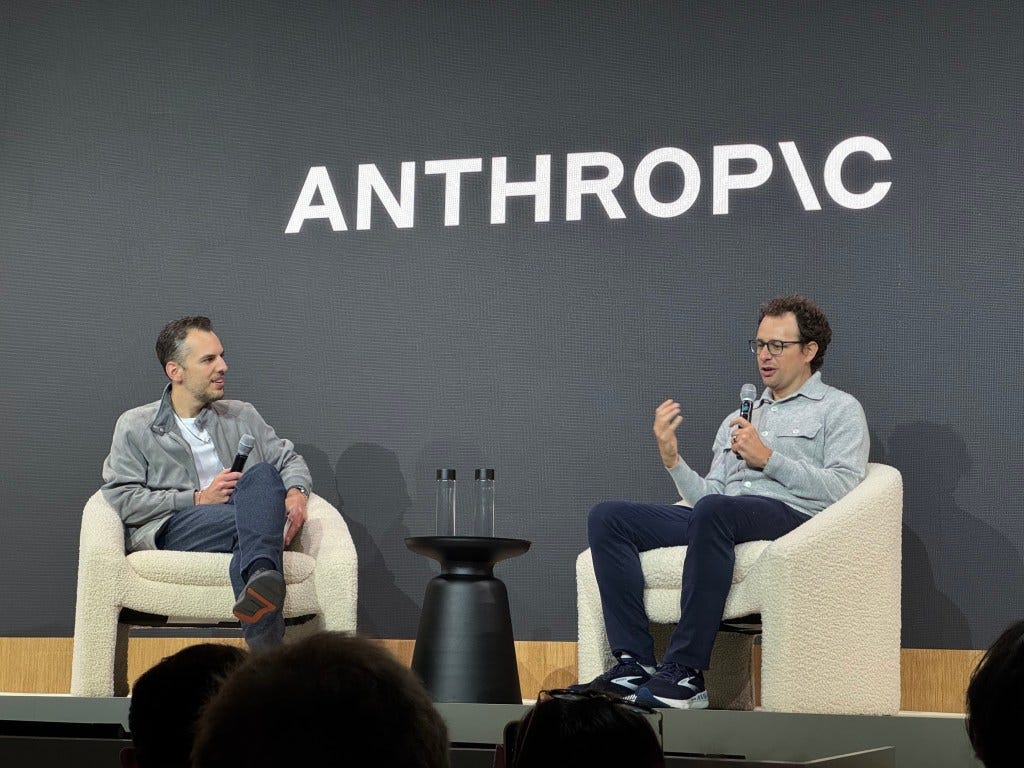
Artificial intelligence is rapidly transforming scientific research, and Anthropic has taken another major step forward with the introduction of Claude Science. The new platform is designed to help researchers analyze complex datasets, review academic papers, generate hypotheses, and accelerate discoveries across multiple scientific disciplines.
The announcement comes as competition among AI companies continues to intensify, with OpenAI, Google DeepMind, and Microsoft all investing heavily in research-focused AI systems.
What is Claude Science?
Claude Science is a specialized version of Anthropic’s Claude model built specifically for scientific work.
Unlike traditional chatbots, the platform focuses on assisting researchers with technical tasks such as:
- Literature review
- Data interpretation
- Statistical analysis
- Experiment planning
- Scientific writing
- Research collaboration
According to Anthropic, the system has been optimized to reduce hallucinations while improving factual reasoning in scientific domains.
Why Anthropic Built Claude Science
Scientific research has become increasingly data-intensive.
Researchers often spend hundreds of hours reading papers, organizing datasets, and validating information before making discoveries.
Anthropic believes AI can automate many repetitive tasks while allowing scientists to focus on creativity and innovation.
The company also stated that the platform follows strict AI safety guidelines to ensure responsible scientific assistance.
Key Features
Several features distinguish Claude Science from general-purpose AI assistants.
Research Paper Analysis
Scientists can upload long research papers and receive concise summaries highlighting methodology, findings, limitations, and future research directions.
Data Interpretation
The AI helps explain complex charts and numerical results while suggesting possible trends.
Experiment Planning
Researchers can brainstorm experimental designs and identify potential weaknesses before conducting expensive laboratory work.
Scientific Writing
Claude assists with drafting research papers while maintaining academic tone and structure.
How It Compares with OpenAI and Google DeepMind
Anthropic is entering a competitive market.
OpenAI has introduced advanced reasoning models for technical work, while Google DeepMind continues expanding its AI research capabilities.
Claude Science differentiates itself through its focus on AI safety, transparency, and long-context reasoning, making it particularly useful for analyzing lengthy scientific documents.
Potential Impact
If widely adopted, Claude Science could significantly reduce the time required for literature reviews and preliminary analysis.
Universities, pharmaceutical companies, and research institutions may benefit from increased productivity while lowering operational costs.
However, experts emphasize that AI should remain an assistant rather than a replacement for human scientific judgment.
Challenges
Despite its capabilities, Claude Science still faces limitations.
Researchers must verify AI-generated information because even advanced language models can occasionally produce incorrect or outdated responses.
Ethical concerns regarding AI-generated research also remain an active topic of discussion.
What Comes Next?
Anthropic plans to expand Claude Science with additional features supporting collaborative research, advanced reasoning, and integration with laboratory workflows.
As AI becomes more deeply integrated into science, platforms like Claude Science may reshape how discoveries are made across medicine, engineering, biology, and physics.
Conclusion
Claude Science represents another milestone in the evolution of artificial intelligence for research. Rather than replacing scientists, the platform aims to enhance productivity, simplify complex workflows, and accelerate innovation. As competition among AI companies continues, specialized tools like Claude Science could become an essential part of modern scientific research.
Sources
- Anthropic Newsroom
- Reuters
- AP News